

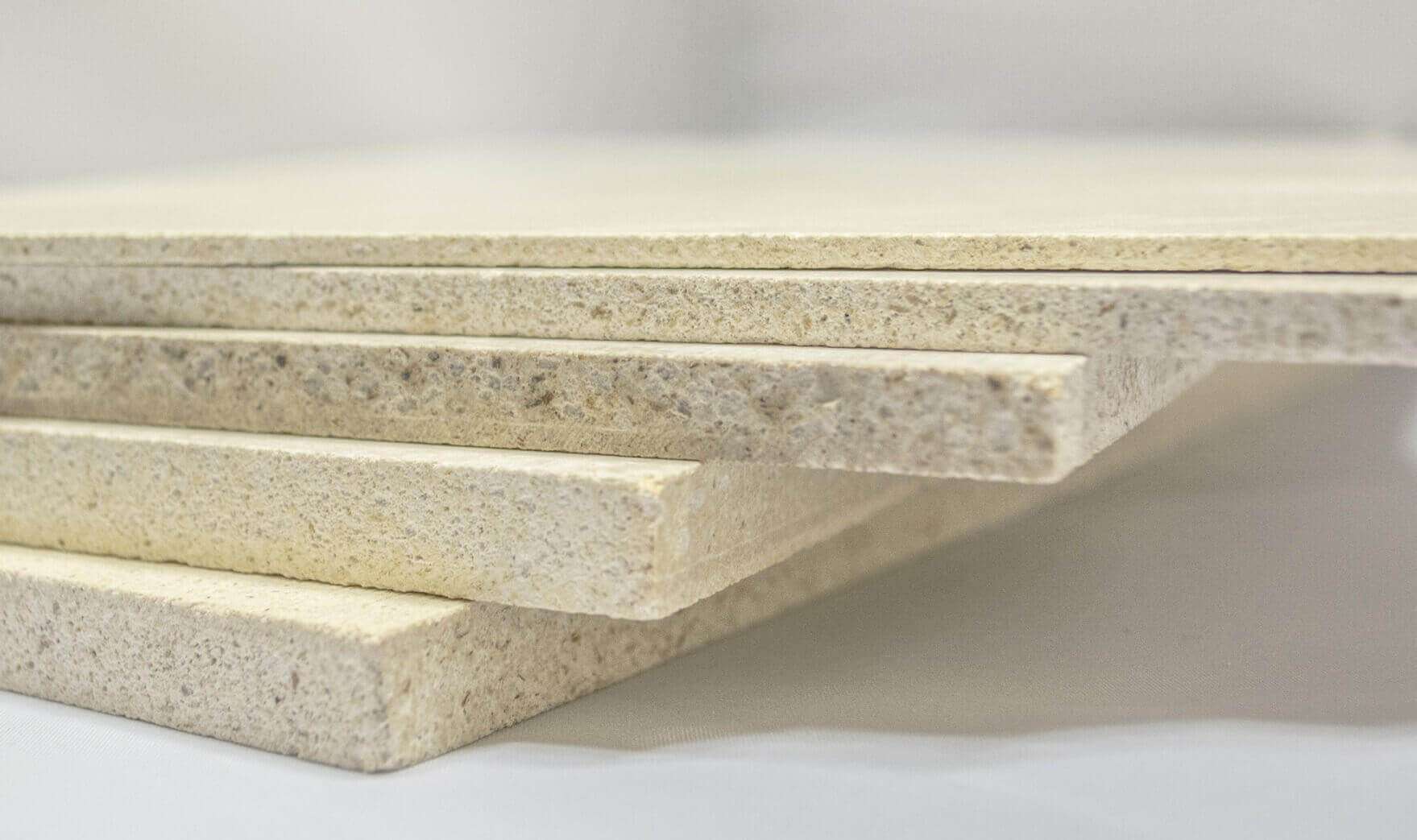
Magnesium oxide boards, often referred to as MgO boards or magnesium oxide board systems, are becoming an increasingly popular choice in modern construction and renovation projects. Thanks to their unique composition and performance characteristics, MgO boards offer a compelling alternative to traditional drywall, cement boards, and gypsum-based materials. Builders, architects, and homeowners alike are turning to MgO boards for projects where durability, fire resistance, and environmental responsibility matter most.
What Are MgO Boards?
MgO boards are construction panels made primarily from magnesium oxide, a naturally occurring mineral. Combined with other reinforcing components, this mineral creates a rigid, stable board that performs exceptionally well under demanding conditions. Unlike conventional wallboards, magnesium oxide board products are designed to resist moisture, fire, mold, and pests, making them suitable for a wide range of interior and exterior applications.
The manufacturing process results in a board that is both lightweight and strong, allowing for easier handling during installation while maintaining excellent structural integrity once installed.
Key Advantages of Magnesium Oxide Board
One of the main reasons MgO boards are gaining traction is their impressive list of benefits. These boards address many of the weaknesses associated with traditional building materials.
- Fire resistance – MgO boards are non-combustible and can withstand extremely high temperatures without releasing toxic smoke.
- Moisture resistance – Unlike gypsum, magnesium oxide board panels do not swell, warp, or deteriorate when exposed to humidity.
- Mold and mildew protection – The inorganic composition prevents biological growth, contributing to healthier indoor environments.
- Durability and strength – MgO boards maintain their shape and performance over time, even in challenging conditions.
- Eco-friendly properties – Many MgO boards are manufactured with sustainability in mind and have a lower environmental impact than traditional materials.
Applications of MgO Boards in Construction
Thanks to their versatility, MgO boards are used across residential, commercial, and industrial construction projects. They can be installed in areas where conventional boards would fail or require frequent replacement.
Common applications include wall sheathing, ceiling panels, subflooring, partition walls, and exterior cladding systems. Magnesium oxide board solutions are also popular in fire-rated assemblies, wet rooms, basements, kitchens, and bathrooms where moisture control is critical.
In renovation projects, MgO boards are often chosen to upgrade older structures, improving safety and longevity without significantly increasing wall thickness or weight.
MgO Boards vs. Traditional Building Materials
When comparing MgO boards to drywall or cement boards, the differences become clear. Traditional drywall is affordable but highly susceptible to water damage and fire. Cement boards are moisture resistant but heavy, brittle, and more difficult to cut and install.
MgO boards strike a balance by offering excellent resistance properties while remaining relatively easy to work with. A magnesium oxide board can be cut, drilled, and fastened using standard tools, reducing labor time and installation costs.
Installation and Handling Considerations
Installing MgO boards is straightforward for experienced professionals. Proper fastening, spacing, and joint treatment ensure optimal performance and long-term stability. While magnesium oxide board products are robust, correct installation practices are essential to fully benefit from their properties.
It is also important to store MgO boards in dry conditions prior to installation, protecting them from prolonged exposure to standing water. Once installed, however, they perform exceptionally well even in humid environments.
Why MgO Boards Are a Smart Investment
Choosing MgO boards is not just about meeting building requirements; it is about investing in long-term performance. Their resistance to fire, moisture, and biological damage reduces maintenance costs and extends the lifespan of walls and structures.
For homeowners, MgO boards contribute to safer living spaces and improved indoor air quality. For commercial projects, they offer compliance with strict building regulations while supporting sustainable construction goals.
The Future of Magnesium Oxide Board Technology
As building standards continue to evolve, demand for high-performance materials like MgO boards is expected to grow. Innovations in manufacturing and quality control are further enhancing the consistency and reliability of magnesium oxide board products.
With increasing awareness of safety, durability, and environmental impact, MgO boards are well positioned to become a standard material in both new construction and renovation projects.
MgO boards represent a modern, forward-thinking solution for today’s construction challenges. Combining strength, safety, and sustainability, magnesium oxide board systems offer clear advantages over traditional materials. Whether used in residential homes or large-scale commercial buildings, MgO boards provide peace of mind and long-term value for anyone looking to build smarter and safer.
