

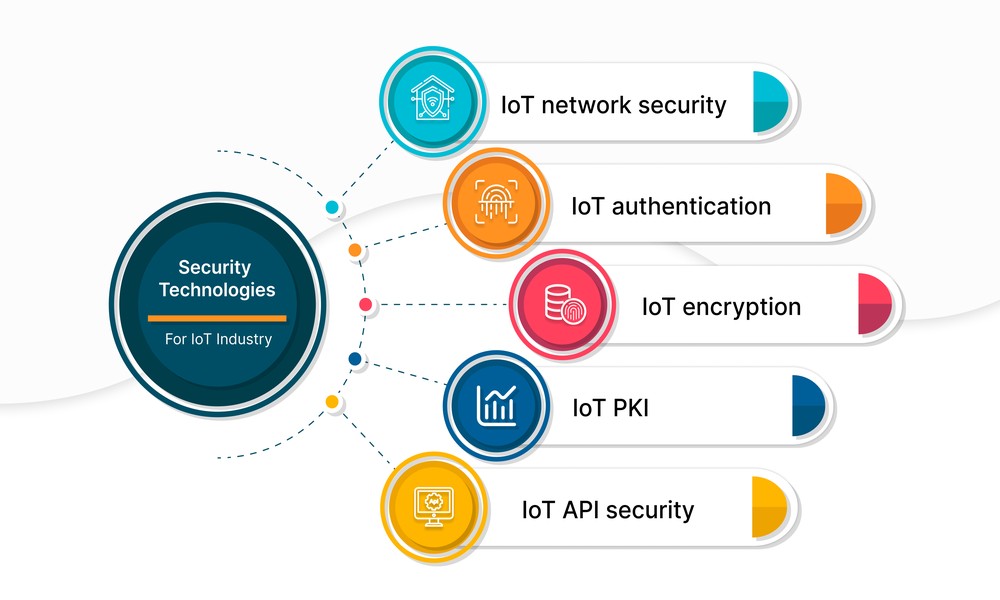
Connected devices shape modern digital life. Smart homes grow across global markets. Industrial sensors guide modern production systems. Healthcare tools collect sensitive operational data. However, security concerns still limit broad adoption. Weak protection models create fear among consumers and businesses. The market needs clear guidance and consistent safeguards. Strong standards create shared expectations for security practice. Regulation also encourages responsible product design and deployment. So, industry leaders now focus on stronger governance frameworks. Reliable protection builds lasting digital confidence.
Regulatory Frameworks Driving Better Security Practices
Governments now support stronger oversight of connected technology. Several regulatory programs define baseline protection requirements. Manufacturers must demonstrate responsible development processes and risk controls. The approach encourages secure design from early development stages. Organizations must document threat models and device protections. Companies like Nozomi Networks help organizations observe device communication patterns. Accurate monitoring reveals abnormal activity and potential compromise attempts. Visibility strengthens trust between vendors and technology buyers.
Industry Standards Building a Shared Security Language
Standards bodies provide practical frameworks for device security. These frameworks define architecture principles and testing procedures. The standards also promote cooperation among manufacturers and operators. Shared terminology simplifies communication across complex technology ecosystems. Now companies can align development efforts with common expectations. Certification programs validate compliance with established security practices. Products gain credibility when independent verification confirms protection quality. This verification process encourages vendors to strengthen internal development processes. Reliable frameworks support advanced iot security strategies across enterprise networks. Security companies such as Nozomi Networks integrate standards into monitoring platforms. The approach improves detection accuracy and operational awareness. Industry cooperation strengthens long term ecosystem protection.
Consumer Confidence and Market Growth
Security transparency improves customer perception of connected technology. Buyers expect protection for personal and operational information. Clear compliance signals responsible technology development and management. Certification marks communicate trust and technical reliability. Sometimes consumer awareness increases pressure for stronger safeguards. Companies respond by prioritizing security investment and risk management. Safer devices encourage adoption in homes and workplaces. Markets expand when buyers trust device safety and resilience. Secure design protects industrial operations and critical infrastructure systems. The reputation of vendors grows through responsible product stewardship. Technology partners like Nozomi Networks also reinforce that trust through continuous monitoring support. Security visibility assures stakeholders that devices remain protected after deployment.
Conclusion
The connected world demands dependable protection frameworks. Standards provide the structure needed for consistent security practice. Regulation ensures accountability among device manufacturers and technology providers. Shared frameworks guide responsible product development and network deployment. Continuous monitoring protects systems long after installation. Security transparency encourages stronger collaboration between vendors and customers. Confidence grows when technology ecosystems operate safely and predictably. Trusted security foundations support innovation across connected industries. As standards mature the global market will continue expanding. Strong compliance ultimately builds a safer digital future for connected technology.
